The Enchantment of Sakura in the Kitchen
Have you ever wondered what makes the delicate cherry blossom, or sakura, such an iconic symbol, not just culturally, but culinarily? Beyond its breathtaking beauty, sakura holds a subtle yet profound aromatic power, especially when preserved. Traditionally, sakura petals and leaves are pickled in salt and plum vinegar, transforming their ethereal floral notes into something more complex: salty, subtly sour, with a persistent almond-like floral perfume.
This unique profile offers a fascinating playground for chefs, challenging them to integrate its delicate essence into both sweet and savory applications. It’s a testament to the power of food pairing that such a seemingly fragile ingredient can inspire bold and harmonious creations.
The Science Behind the Blossom’s Allure
The characteristic aroma of sakura, particularly when pickled, often comes from compounds like benzaldehyde, which imparts a distinct almond or cherry-like fragrance, alongside various floral esters. The pickling process itself introduces lactic acid and fermentation by-products, adding layers of umami and a pleasant tang that can bridge beautifully with other ingredients. It’s this complexity that allows pickled sakura to transcend its floral origins and venture into unexpected territories.
Let’s dive into some inspiring chef creations that beautifully leverage sakura’s unique aroma profile, explaining the scientific “why” behind their brilliance.
1. Sakura & Japanese Turnips: A Rooted Harmony
Chef Shun Sato from restaurant @censu_hk, known for his contemporary interpretation of Japanese cuisine, strongly influenced by the Japanese concept of Wabi-sabi (the beauty of imperfection and simplicity) and his experiences in Australia and the United Kingdom, recently showcased a Sakura Pickled Japanese turnip with a sakura yuzu cure and a seaweed wasabi.
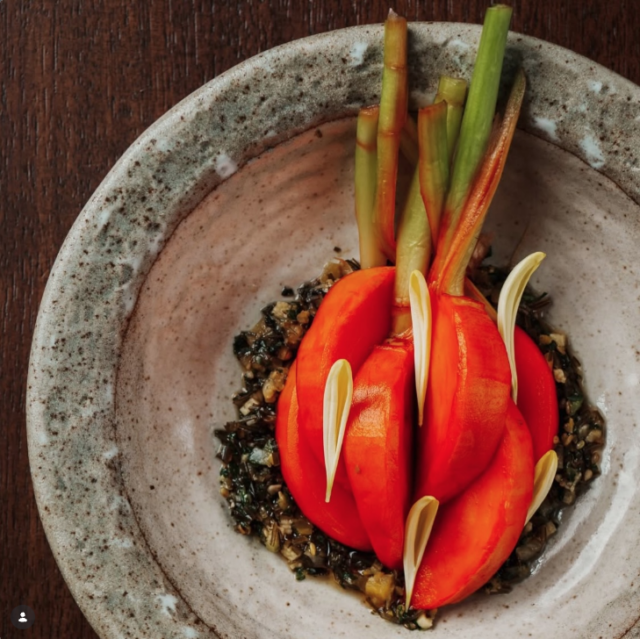
Why it works: Japanese turnips, with their slightly earthy and peppery notes, are rich in glucosinolates, which break down into isothiocyanates giving them a characteristic pungency. This vegetal earthiness forms a grounding counterpoint to the more delicate, almond-floral notes of sakura (benzaldehyde). The yuzu, bursting with limonene (citrusy) and linalool (floral, woody), provides a vibrant acidic bridge, enhancing the overall freshness and adding a complementary floral lift that harmonizes with the sakura. You can explore more pairings with turnips on our Foodpairing® Tool.
2. Sakura & Strawberry: A Springtime Duet
Chef @tara.monsod from the modern Asian-American restaurant @animae.sandiego, delighted her followers with a Sakura-infused Panna Cotta with Strawberry. Her presentation featured delicate pink panna cotta topped with fresh strawberry and crunchy feuilletine.
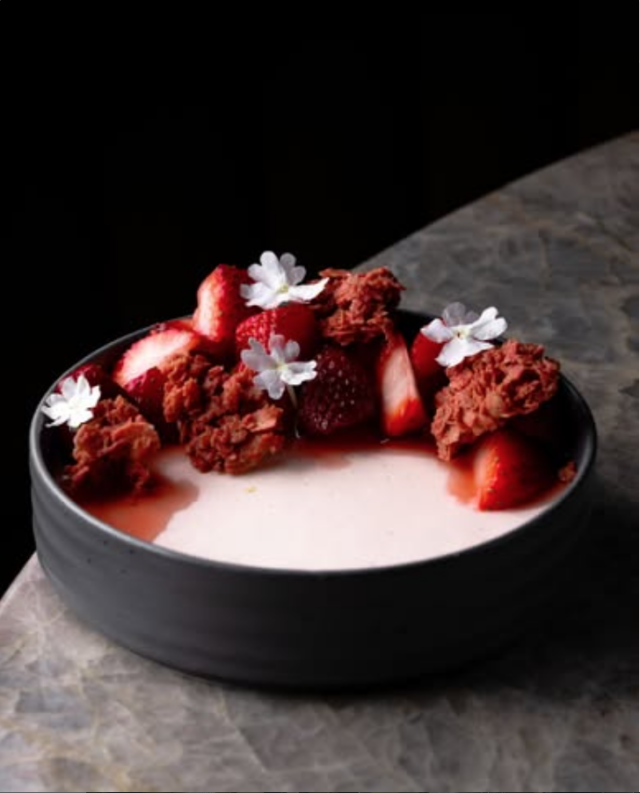
Why it works: Strawberries are celebrated for their intense aroma, driven by a complex array of fruity esters such as ethyl butyrate (pineapple, fruity), alongside furaneol (caramelic, strawberry). Crucially, strawberries also contain β-ionone, a compound known for its violet and floral scent. This β-ionone creates a beautiful aromatic bridge with the floral notes of sakura, while the sweetness and slight acidity of the strawberries complement the pickled sakura’s salty-sour and almond-like profile.
3. Sakura-Koji Fermentation: The Umami Bloom
Building on the “shio koji” trend, chefs are now fermenting salted sakura blossoms with rice koji. The result is a “Sakura Amino Paste” used as a marinade for poultry or fish.
Why it works: This innovative fermentation creates a unique umami profile that tastes like “spring in a jar”—salty, floral, and deeply savory. The koji enzymes break down proteins and starches, intensifying the natural flavors of the sakura and developing a rich, complex savoriness that complements a wide range of ingredients.
Your Turn: What Will You Dare to Pair?
These chefs demonstrate that even an ingredient as delicate as sakura can be a catalyst for groundbreaking dishes when approached with an understanding of its underlying aroma science. Whether you’re a professional chef pushing boundaries or a passionate home cook seeking new flavors, the principles of food pairing offer a roadmap to culinary innovation.
So, next time you encounter pickled sakura, don’t just admire its beauty. Consider its complex profile – its almond-like floral notes, its savory saltiness, its subtle acidity – and let Foodpairing® guide you to your next surprising and delicious creation. What will you dare to pair?